
The Quote That Looked Too Good
In Q3 2024, I was wrapping up a line upgrade at our 200-person food processing plant. We needed three ifm flowmeters for the CIP (clean-in-place) system, a handful of ifm air pressure sensors for the packaging area, and—because our maintenance lead had been asking for two years—a thermal camera and a proper replacement for the 2465 oscilloscope that had been limping along since before I started.
I'd done this dance before. Get quotes from three vendors, compare line items, pick the best price. Our procurement policy requires the three-quote minimum, and I've built a decent spreadsheet over the years for tracking total cost of ownership. But I'll be honest: I still get a little rush when a vendor comes in noticeably lower than the others. That was the situation here.
Vendor A quoted $11,400 for the lot. Vendor B—our incumbent for sensors—quoted $13,900. Vendor C came in at $14,600. I nearly signed with A that same afternoon. A 18% gap on a budget line I'd already stretched thin felt like a win.
Then I did something I almost skipped: I sat down with the maintenance lead and asked him to walk through what we actually needed to do with each piece of equipment. That conversation saved me from a $7,800 headache.
The First Red Flag: The 'Free' Training
Here's what Vendor A's quote didn't say: what happens after delivery.
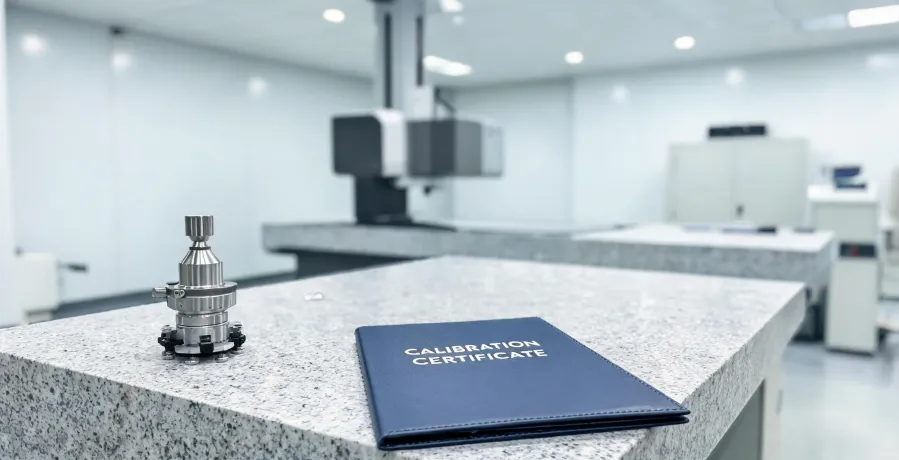
We use a specific workflow for our ifm flowmeter calibration—every unit gets a certificate tied to LOT/traceability for our food safety audits. Vendor A's quote was for the sensor only. Calibration certificates? An extra $240 per unit, billed separately. I only caught it because I asked our QA manager to review the quote, and she asked where the calibration line item was.
When I went back to Vendor A, the reply was cheerful: "We offer a free 30-minute training session with every order." Free training. Sounds great, right? Except our techs don't need 30 minutes of "how to turn it on." They needed to learn how to use the Tektronix oscilloscope we were ordering to actually diagnose signal faults on the packaging line. Thirty minutes wouldn't even get us through power-on self-test.
I don't have hard data on how many other buyers have made this exact mistake, but based on the language in Vendor A's follow-up email—"standard training included"—my sense is they price it that way on purpose. It sounds like a bonus. In reality, it's a checkbox.
The Hidden Costs I Found by Accident
What really turned me around was digging into the ifm air pressure sensor line items.
Vendor A had given us the sensor price, but the mounting brackets—a non-negotiable for our installation—weren't listed. Neither was the IO-Link configuration service to get them talking to our existing network. When I asked for an updated quote with those included, the total jumped to $15,200.
That's $3,800 more than the original quote. And here's the part that made me set the phone down for a minute: the thermal camera they'd quoted—an E8 model that our maintenance lead had specifically requested for scanning electrical cabinets—came with a base software package. The resolution upgrade our techs had asked about? A subscription. Recurring.
I assumed "quote for equipment" meant the equipment was ready to work. Didn't verify. Turned out each vendor had a slightly different interpretation of what "ready to work" means.
"The lowest quoted price often isn't the lowest total cost."—This is the line I keep taped to my monitor now.
The Turnaround
Vendor B, our incumbent, wasn't cheaper on paper. Their quote was $13,900. But when I asked their sales engineer what was included, I got a document that ran four pages—every cable, every certificate, every bracket, and a two-day training session that covered actual troubleshooting with the Tektronix scope. They even threw in the IO-Link configuration call with our IT guy. No extra line items. No "oh, that's billed separately."
I ran the numbers one more time. Vendor A's fully loaded cost: $15,200 plus $240 per calibration certificate × 3 = $720, plus the thermal camera subscription at $180/year, plus paying our own techs to figure out the oscilloscope on their own time. Total first-year cost: roughly $16,400.
Vendor B: $13,900. All in. Done.
I wish I could say I negotiated Vendor A down to a better deal, but the truth is I didn't even try. Once I saw that their initial quote was missing three line items I specifically needed, I didn't trust the rest of it. That's not a pricing strategy—it's a bait-and-switch.
What I Changed
So glad I had that conversation with the maintenance lead before signing anything. Almost went with the base quote to save $2,500, which would have meant our techs spending weeks on YouTube tutorials learning how to use a Tektronix oscilloscope, a work order stalled waiting for calibration docs, and a thermal camera that didn't actually do the resolution our electrical safety scan required.
I've since added one question to our vendor evaluation checklist. It's not "What's your best price?" It's "What's NOT included?"
I don't have hard data on how many vendors pad their initial quote and make up the difference in extras, but my experience across six years of procurement says it's more common than I'd like. The vendors who list everything upfront—even when the total looks higher—are the ones whose invoices haven't surprised me yet.
There's something satisfying about a quote you can read once and actually trust. After years of chasing the bottom-line number, finally learning to chase the complete number instead—that's been the real upgrade.
- Calibration certificates: Always ask if they're included. For food and pharma, they're not optional.
- Training: "Training included" is meaningless. Ask for an agenda. If it doesn't cover actual fault diagnosis, it's not training—it's a product demo.
- Software subscriptions: Recurring fees on equipment software can eat your savings in year two. Ask for the three-year cost, not the first-year cost.
- IO-Link integration: If you're running ifm sensors on a network, get the configuration hours quoted upfront. "Call us when you're ready" is not a plan.
Prices referenced are from Q3 2024 quotes at our facility; verify current pricing with your vendor. Our specific configuration included three ifm flowmeters, six ifm air pressure sensors, one thermal camera E8, and a Tektronix oscilloscope replacement package.