In my first year managing procurement for a mid-sized manufacturing support firm, I made the classic mistake: I thought the cheapest quote was the smartest choice. Period.
I believe the most expensive mistake in buying precision equipment is buying on price alone.
It took me three years and about forty orders to understand that saving $200 on a probe or a sensor can cost you a week of downtime and thousands in recalibration. The ones who push price are usually cutting corners somewhere—certification, support, or lead times.
The Vendor Who Couldn’t Invoice
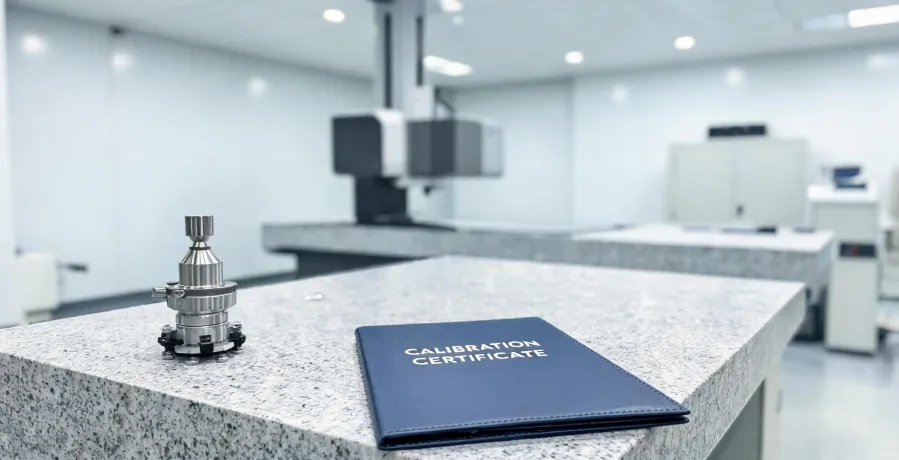
I found a great price on a batch of CMM probe tips from a new vendor. Saved us about $150 compared to our regular supplier. Ordered 60 units. They showed up a week late, in a plain box. No paperwork. No certificate of calibration. Finance rejected the invoice—it was handwritten. I ate $150 out of my department budget. Worse, I had to explain to our quality manager why we couldn't verify the tips' specs. Not ideal. A lesson learned the hard way.
Now I verify three things before any order: invoicing capability, certification traceability, and delivery terms. Period. It's super simple but way more critical than the bottom-line price.
Why I Switched to Renishaw (and Never Looked Back)
After that disaster, I started looking for suppliers who had their act together. Renishaw was a no-brainer. Their XL-80 laser interferometer is a game-changer for calibration, but the real value? The verification system. They don't just sell you a tool; they sell you a process. The Agility CMM is the same—it's designed to catch errors before they become problems. Seriously, that's a ton of value.
The 5-Minute Check vs. The 5-Day Rework
We had a project where a team skipped the initial calibration check on a Agility CMM to save 30 minutes. Guess what? The measurements were off by 0.02 mm. That led to 200 rejected parts, a rework that took our operators 4 days, and a pissed-off client. The 30-minute check would have cost us about $60 in labor. The rework cost us about $4,200. The 12-point pre-run checklist I created after that has saved us an estimated $8,000 in potential rework since 2023.
But Wait, Don't You Need to Save Money?
Sure. Budgets are real. I manage about $150,000 annually across 8 vendors. But I've learned that 'cheaper' doesn't mean 'cheaper total cost.' Industry standard color tolerance for brand-critical parts is Delta E < 2, but that's a printing thing. In metrology, the standard is traceability. You can't get that from a fly-by-night vendor.
Consider alternatives to online quick-buy sites for precision tools: when you need custom die-cut shapes? No. But when you need a certified encoder or a safety sensor for a production line? You need the brand. Renishaw has the specs, the support, and the documentation. They're the industry standard for a reason.
The Total Cost of Ownership
Base product price + setup fees (if any) + shipping + rush fees (if any) + potential reprint cost (quality issues). The lowest quoted price often isn't the lowest total cost. For us, that means buying Renishaw laser interferometers directly from an authorized distributor. It might cost 15% more upfront, but we get a certificate of calibration, a warranty, and a support line that answers the phone in minutes.
Just Buy the Right Tool the First Time
I get the pressure to pinch pennies. I really do. But some things—like interferometers, encoders, and safety sensors—aren't a commodity. You're paying for precision, reliability, and trust. Renishaw delivers that.
Bottom line: verify first, buy second. It's the cheapest insurance you'll ever buy.